



Nearly 95,000 Americans need a kidney transplant.
12 people die every day waiting for a kidney.
This crisis has a clear solution. But not enough people know about it.
A person who needs a kidney doesn't need a match. They need a donor.
Anyone healthy enough to donate their spare kidney on behalf of someone in need of a kidney will likely get them a living kidney transplant in months, not years.
The science works. Living donor kidney transplants consistently produce better outcomes than deceased donor transplants. And thanks to kidney paired exchange, a willing donor who is not a match for their loved one can still make a transplant possible — for their loved one and for others.
What’s missing is not medicine. What’s missing is a conversation. And the knowledge needed to act.

To Save One Life is mobilizing faith communities across America to make that vision a reality through education, partnership, and the shared conviction that saving a life is sacred work. Together, we can achieve our goal to encourage kidney donations.
By joining the To Save One Life campaign, your congregation can help us educate the public and spread the message that:
A person who needs a kidney doesn’t need a match. They need a donor—anyone healthy enough to donate on their behalf.
Why Faith Communities
“Where will we find the people who have the heart to give a kidney? Congregations!”
— Ron Wolfson, co-founder, To Save One Life
Congregations are communities built on trust, shared values, and a commitment to caring for one another. That makes them the ideal setting for education about living kidney donation—not through pressure but through the kind of honest conversation that only happens where people feel safe.
Across traditions, the imperative to preserve life is foundational. Every day, new patients are added to a waiting list that already stretches seven to ten years.
There are more than 356,000 congregations in the United States.
If even a fraction can find just one willing donor, we solve this crisis for the long term.
What We’re Asking
We are asking you to start a conversation. When people have the information, some will choose to act on it.
Participation in To Save One Life is designed to be manageable, ethical, and fully supported by the campaign.
Sign the Covenant, a mutual, values-based commitment that defines the partnership between your congregation and the campaign. It is a promise, not a contract.
Equip your clergy to respond when someone comes forward to reveal they need a kidney transplant, typically when their function declines to 30-35%.
Designate a community liaison, one person from your staff or lay leadership to serve as the point of contact. We provide the training.
Host an educational event using campaign-provided materials, including presentation decks, brochures, discussion guides, and sermon resources adaptable to any tradition. A single session during an existing program is a meaningful starting point.

Someone in your congregation may need a kidney. Someone may have tried to donate—and learned they weren’t a match.
That doesn’t have to be the end of the story.
Real Stories
-
“When my wife’s kidneys were failing, I stepped forward to donate—but I wasn’t a match. The chances of finding one didn’t look promising. Then we discovered kidney paired exchange. By donating one of my kidneys, I made Susie eligible for a donation from someone who was a match for her. That experience lit the spark for this campaign: now that those needing transplants are no longer trapped by the failure to find their own match, they just need a willing donor—and can get a kidney in a matter of months.”
— Ron Wolfson, kidney donor and campaign co-founder
-
“Once I’d committed to going through the testing process to match with my friend, it was a very easy step to agree to become a donor for someone I didn’t know. In my mind, I was still giving to my friend, even though it was indirectly. My commitment to her future health was the same; it was just a bit circuitous. She received her kidney two weeks before my surgery. We are both doing very well.”
— Berenice Farley, living kidney donor

How Kidney Donation Works
Living kidney donation is remarkably safe. Donors work with a transplant center or a facilitating organization of their choosing for a thorough medical evaluation. Living kidney donors report this evaluation will confirm their overall health is excellent; otherwise, they would not qualify to donate. Kidney donors can live full, healthy lives with one kidney. If a living donor ever needs a transplant themselves, they are prioritized at the top of the waiting list. There is no cost to the donor for donation-related medical expenses.
There are three paths to living kidney donation, and To Save One Life celebrates all of them.
-

Kidney Paired Exchange
If you're willing to donate but you're not a match for your intended recipient, you don't have to stop there. You can donate to a stranger whose donor is a match for your intended recipient, and they receive the kidney they need from that donor — a kidney “swap.”
-
Direct Donation
You give your kidney directly to someone you know — a family member, a friend, a fellow congregant. This is the most familiar form of living donation, a direct act of love from one person to another.
-
Non-Directed Donation
You choose to donate a kidney to whoever needs it most, without specifying a recipient.
All living kidney donors are altruistic — often called heroes by transplant centers — and every faith tradition has its own way of honoring such profound generosity.
Considering Becoming a Living Kidney Donor?
If you are considering becoming a living kidney donor, we encourage you to reach out to one of the referral organizations listed on this website or directly to a transplant center in your area to learn more about the process. And talk with your doctor, who can help you navigate the process.
Expressing interest does not commit you to anything. Before anyone is approved to donate, potential donors experience what is likely the best, most thorough medical evaluation of their lives to ensure donation is safe for them. This alone is worth stepping up to consider becoming a living kidney donor. Donors do not pay for donation-related medical expenses; these are covered through the recipient’s health insurance.
Whether you want to donate directly to someone you know, participate in a kidney paired exchange, or offer a kidney to whoever needs it most, there is a path forward.
The People Behind the Campaign
To Save One Life was not built by policy experts in a boardroom. It grew out of the lived experience of three people who saw the kidney crisis up close and realized that the most powerful solution was also the simplest: Give people the information they need and trust them to act on it.
-
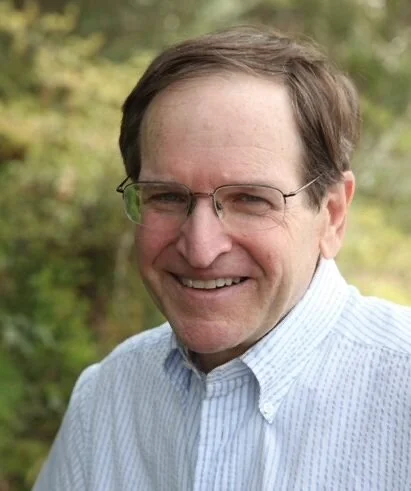
Ron Wolfson
Kidney Donor
-
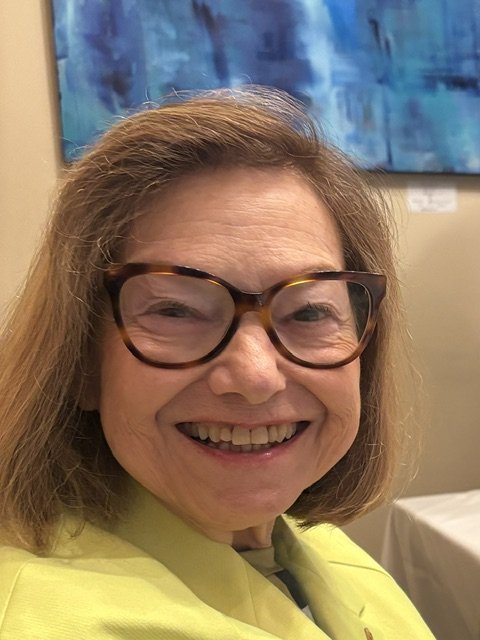
Susie Wolfson
Kidney Recipient
-
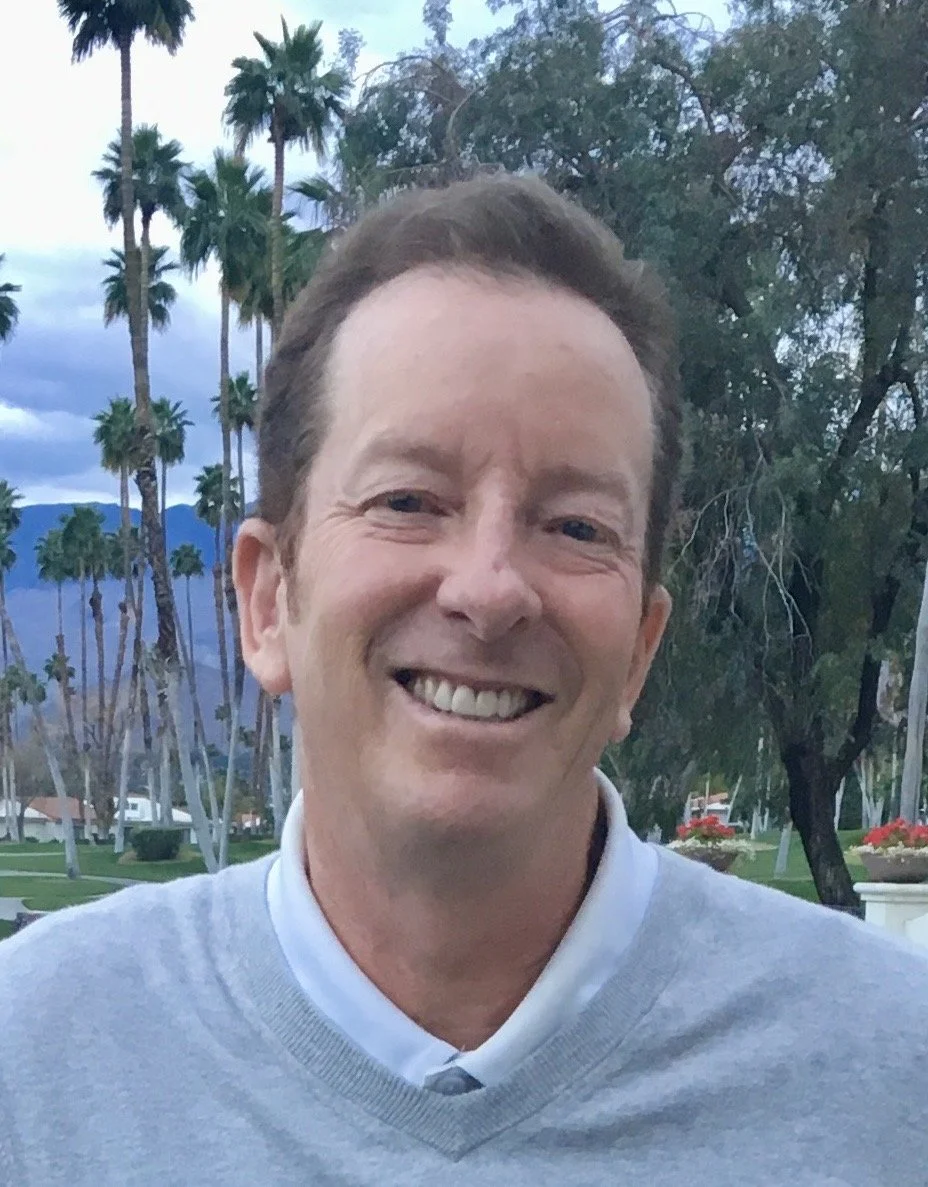
Bart Pachino
Kidney Recipient
-
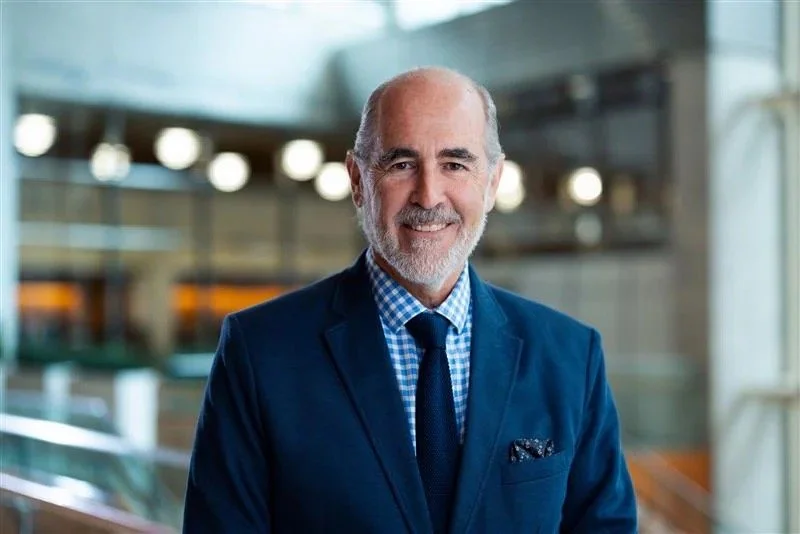
Dr. Mikel Prieto
Transplant Surgeon
The Book
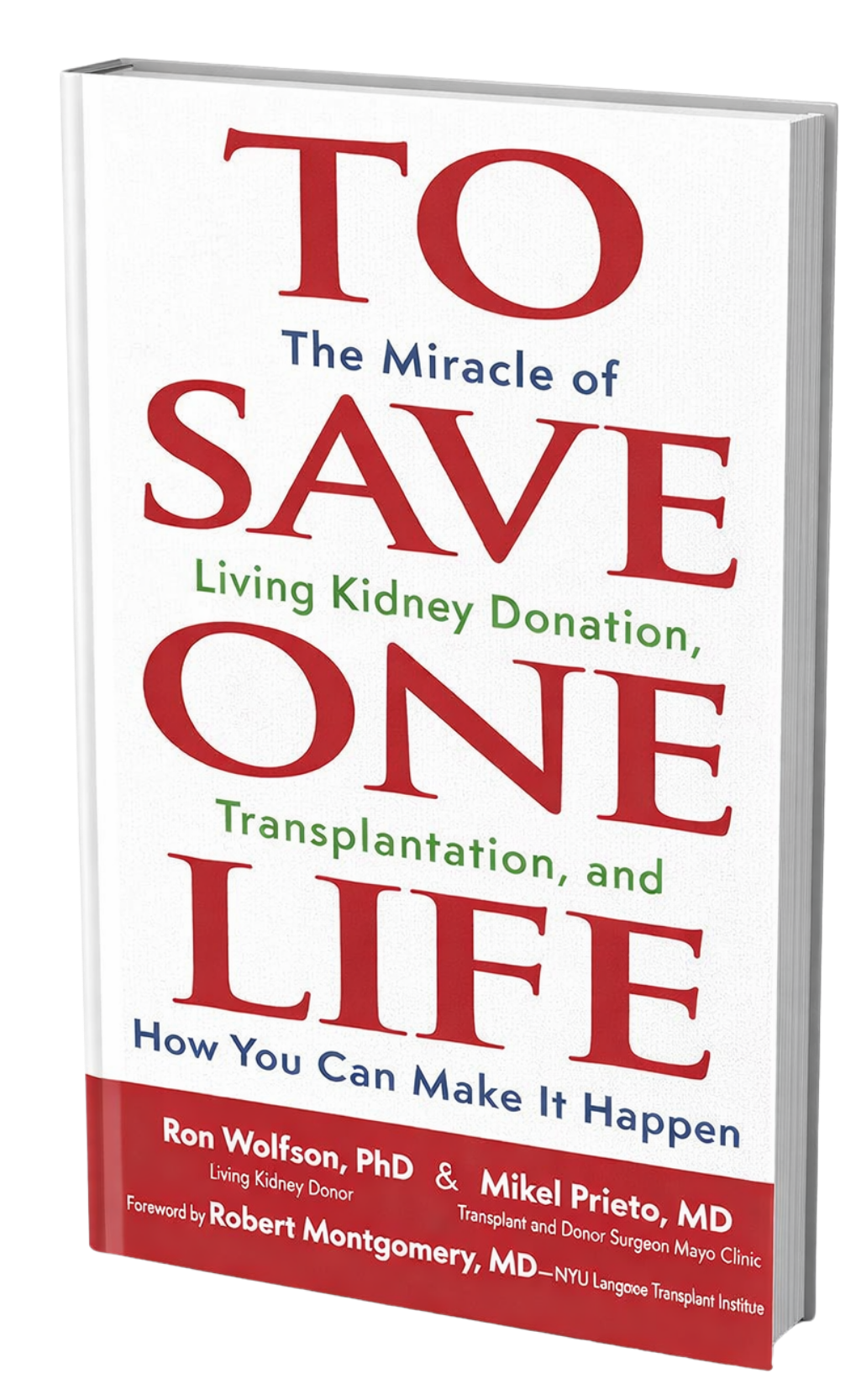
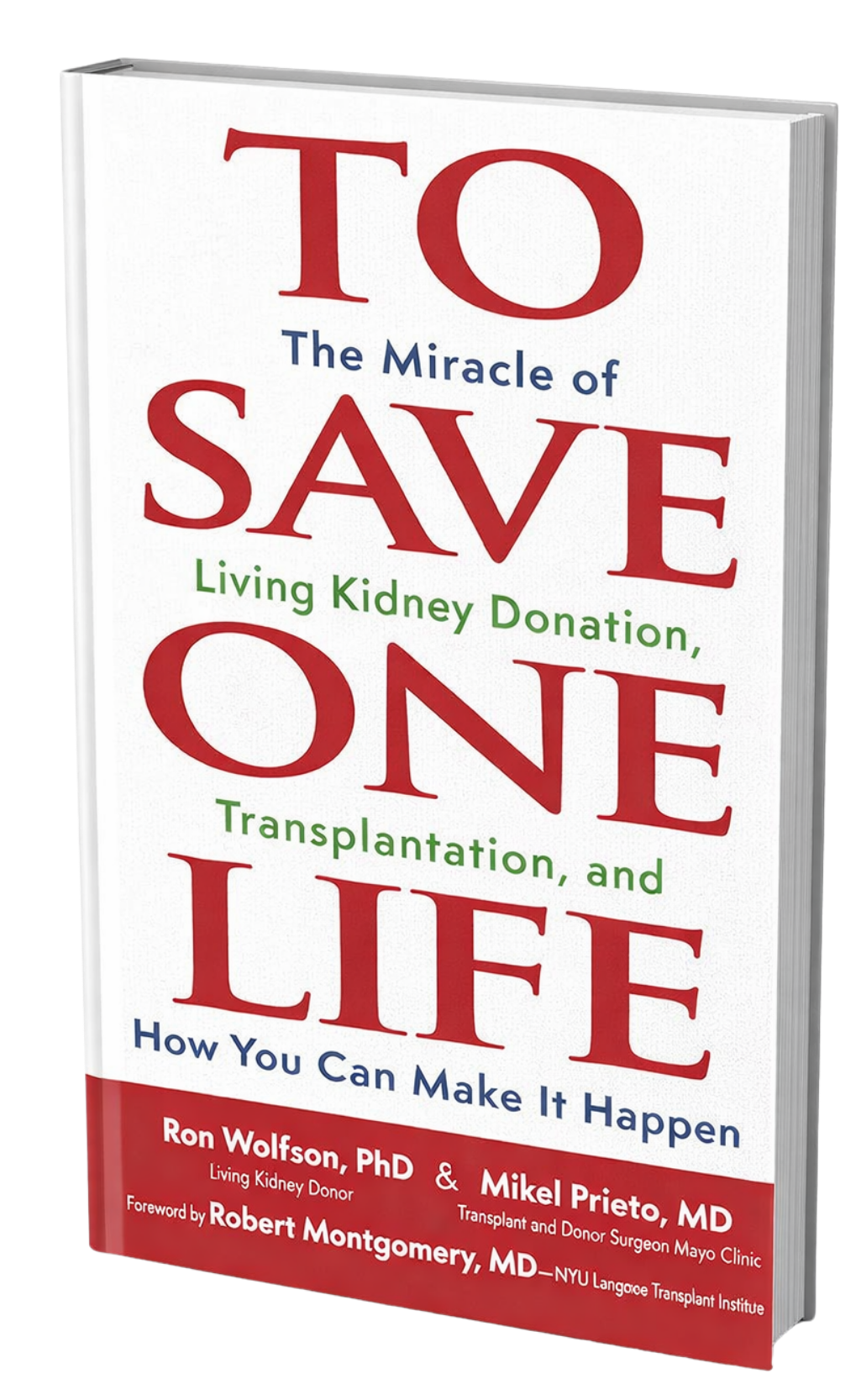
To Save One Life: The Miracle of Living Kidney Donation, Transplantation, and How You Can Make It Happen (2026)
by Ron Wolfson, PhD, and Mikel Prieto, MD
A deeply personal narrative and a practical guide to the world of living kidney donation.
The book tells the story of Susie Wolfson’s journey as a kidney recipient and her husband Ron’s decision to become her living donor through paired kidney exchange. It weaves their experience with clear, authoritative medical guidance from Dr. Mikel Prieto, a leading kidney surgeon. Against the backdrop of a persistent kidney shortage, the book equips patients, families, faith communities, and potential donors with the knowledge and tools to understand the donation process.
By Ron Wolfson, PhD, and Mikel Prieto, MD
Contact
Start the Conversation
Whether you’re a faith leader exploring what this campaign could mean for your congregation, someone who wants to learn more about becoming a living kidney donor, someone in need of a kidney transplant, or a potential partner, we’d love to hear from you.